
Labs and testing · Hopkins, Minnesota
DUTCH Test and Hormone Testing: What It Shows and When It Fits
You know something has shifted. Your cycle, your sleep, your energy, or your drive isn't what it was, and a single blood draw didn't explain why. Maybe you've heard about the DUTCH test and wondered if it's the missing piece. We help you decide whether it is, time it correctly, and read the results alongside your whole story.
The DUTCH test is a dried-urine hormone panel collected at home over a day. It reports sex hormones and how your body breaks them down, plus a daytime cortisol pattern and a few related markers. It's useful for seeing patterns a single blood draw can miss. It doesn't diagnose on its own, and blood testing remains the standard for many hormone diagnoses.
How we approach this at Panka
We start with what you already have. Before we order anything, we review your prior labs, imaging, and records, and that review is part of your visit. In a two-hour first visit, Dr. Haley looks closely at your cycle history, perimenopause changes, and what you already take. Dr. Jacob looks at men's hormone questions and at how stress, fatigue, and focus tie in. Then we decide together whether a DUTCH test, blood work, or both will answer your question. You'll know what a test costs before we order it. If we order a DUTCH test, we pick your collection days and review every result with you in detail at your follow-up, read through a functional lens against your symptoms. Messaging your doctor through the Charm portal is included between visits, with no membership. You see the same two doctors every time.
What the DUTCH test measures
For a DUTCH test, you wet small paper strips with urine at set times over about a day, then dry and mail them. The lab's Complete panel reports estrogen, progesterone, testosterone, DHEA-S, and cortisol, plus their metabolites. Metabolites are the breakdown products your body makes as it uses up a hormone. They show how much hormone is around and which pathways your body favors. Several cortisol readings across the day sketch your daily stress-hormone rhythm. The panel also includes a melatonin marker and a few other markers the lab lists. That list is the lab's own description. What matters is how your results fit your symptoms, and that is the part we read with you.
Blood, urine, or saliva: when each fits
Each sample type answers a different question. Blood is the standard for most hormone diagnoses. Low testosterone, for example, is diagnosed from symptoms plus low fasting morning blood levels confirmed on a repeat test. An underactive thyroid is diagnosed with blood tests too. If your adrenal glands may be making too little cortisol (adrenal insufficiency), that is checked with blood cortisol and a stimulation test, which measures how your adrenals respond. Saliva has one clear role: a late-night saliva cortisol is one of the accepted first tests for Cushing's syndrome, a condition of too much cortisol. Dried urine adds what one blood draw can't: breakdown patterns and a day-long cortisol curve, collected at home. We often use blood work and a DUTCH test together.
Timing within your cycle, and how to prepare
Progesterone rises in the second half of your cycle. So a result only means something if we know which cycle day you collected. The lab's calculator sets collection days from your cycle type, cycle length, and last period, with separate plans for long, irregular, or absent cycles. Its Cycle Mapping version collects first-morning samples through most of a cycle, starting on cycle day 7. It's built for irregular cycles, polyendocrine metabolic ovarian syndrome (PMOS, previously known as PCOS), and fertility questions. It isn't meant for anyone on hormonal birth control. If you use hormone therapy, the lab has specific collection instructions for each form. Don't stop a prescription to test. Ask us what, if anything, to pause before you collect. In perimenopause, hormones rise and fall unpredictably, so one test is a snapshot, not a verdict.
Who it may help, and how prescriptions fit
A DUTCH test can add detail when your cycles are painful, irregular, or come with strong PMS, or when perimenopause is changing how you feel. For men, it can help with questions about energy and drive. It may also add detail when stress, poor sleep, and fatigue seem tied to your cortisol rhythm. Naturopathic doctors in Minnesota don't prescribe hormone therapy, thyroid medication, or other prescription drugs. If your results raise a medication question, we share them with your prescribing clinician and work alongside them. Your other providers may be able to order some tests through insurance, or you can pay cash for testing through us.
This visit may fit if…
You have hormone-related symptoms that earlier blood work didn't explain.
You're in perimenopause and want to understand what's changing and why.
You're a man whose energy or drive has dropped and you want to know why.
Stress, sleep, and fatigue seem connected, and you want to look at your daily cortisol pattern.
See someone else first if…
Bleeding after a year without periods, or soaking a pad or tampon every hour for several hours: see your gynecologist or clinician promptly.
Fainting, severe vomiting, confusion, or extreme weakness: seek emergency care.
New facial or body hair, a deepening voice, rapid weight gain with purple stretch marks or easy bruising, or new high blood pressure: see your primary care clinician promptly.
A new breast or testicular lump: see your primary care clinician first.
Bring a clearer picture to your visit
Hormone, thyroid, and other blood work from the past year.
The first day of your last period and your usual cycle length.
Every medication, hormone, birth control, and supplement you take, with doses.
A note on when symptoms are worst: time of day, cycle phase, or season.
Common questions
Is the DUTCH test covered by insurance?
Not when you order it through us. We're a direct-pay practice, out-of-network with all insurers, and HSA and FSA cards are accepted. We provide a superbill for possible out-of-network reimbursement. Medicare and Medicaid don't reimburse naturopathic services in Minnesota. Current fees are on our scheduling page.
Can I do this by telehealth?
Often, yes. Collection happens at home, so a DUTCH test can fit a virtual plan. We see patients by telehealth in Minnesota and Wisconsin. You need to be physically in one of those states during your visit.
Is the DUTCH test better than a blood test?
Neither is better across the board. Blood is the standard for diagnosing most hormone conditions. DUTCH adds metabolite and daily cortisol patterns. We often use both.
Do I have to stop my birth control or HRT first?
No. Don't stop a prescription to test. Some DUTCH versions aren't designed for hormonal birth control, and hormone therapy changes how samples are collected. We plan around what you take.
Real doctors. Real time with you.
Panka Natural Health is a family-owned clinic in downtown Hopkins, led by Drs. Haley and Jacob Panka since 2018. You see the same doctor at every visit.
Your first visit
1. Book a visit or a free 10-minute intro call. The intro call is a short conversation about fit, not a medical visit.
2. Time for your whole story. Adult first visits run two full hours; children's visits are shorter. Bring prior labs and the bottles or photos of what you take.
3. A written plan. What to try, what to test if anything, and when to reassess. We coordinate with your other clinicians.
4. Support between visits. Secure messaging with your doctor is included, with no membership.
Direct-pay practice: out-of-network with all insurers, superbills for possible reimbursement, HSA and FSA accepted. Medicare and Medicaid do not reimburse naturopathic services in Minnesota. Current fees are on our scheduling page. Telehealth for patients located in Minnesota or Wisconsin at the time of the visit (virtual only in Wisconsin). Ample parking in front of and behind the building; the entrance is up four steps with handrails; the office is not wheelchair accessible, and virtual visits are an alternative.

Dr. Haley Panka, ND: Women's health and hormones, pediatrics, holistic diabetes care, and supportive care for breast cancer patients and survivors.
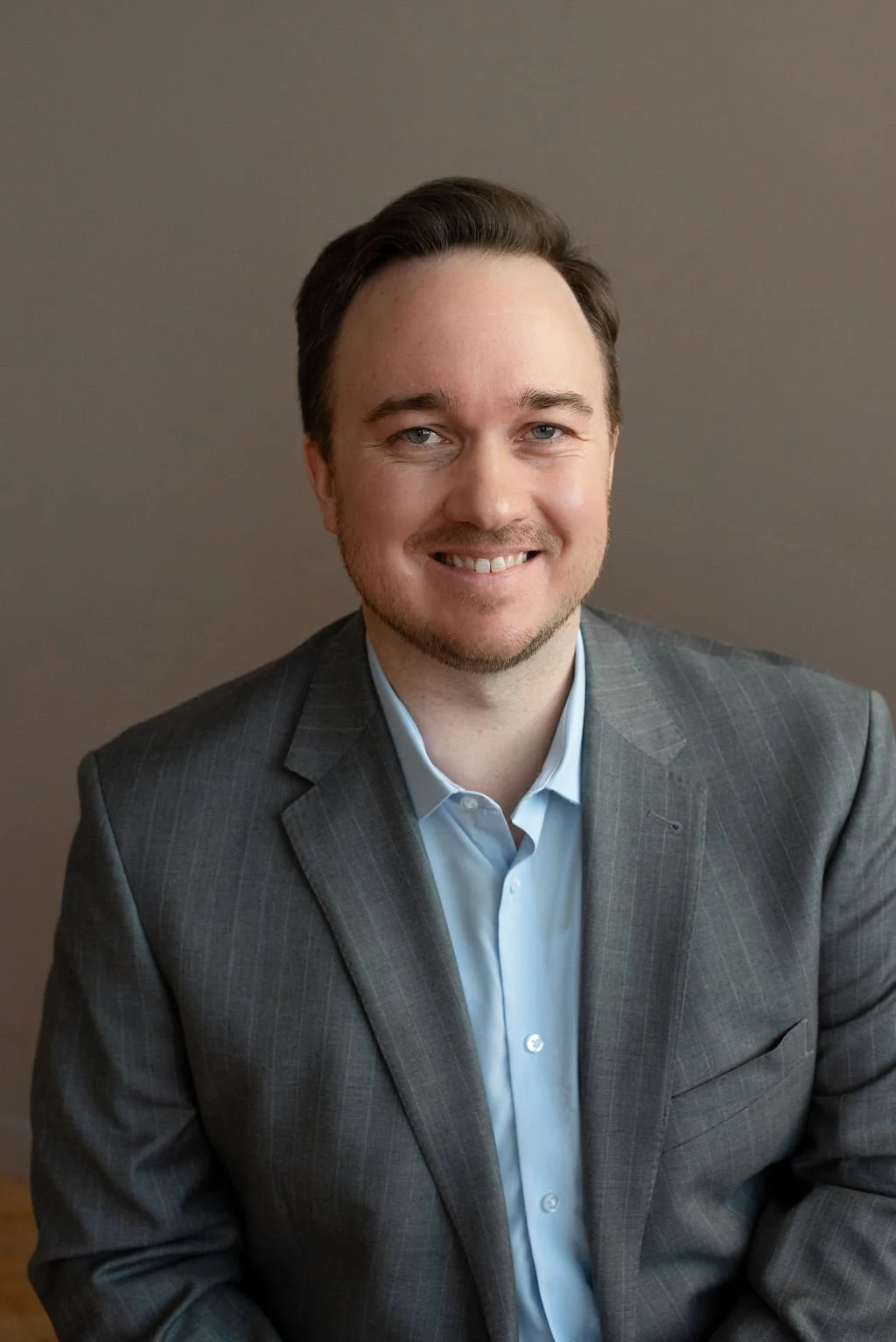
Dr. Jacob Panka, ND, MS: Brain and neuroendocrine health, cardiovascular and metabolic health, gut–brain physiology, and men's health.
Sources and further reading
General education, not a diagnosis. We work alongside your primary care clinician and specialists, not instead of them. Care and testing depend on your history and clinical needs.
Your questions are a good place to start.
Book a visit, or begin with a free 10-minute call to see whether we're the right fit.