
Women's health · Hopkins, Minnesota
PCOS naturopathic doctor: care for hormones and metabolism (PMOS)
Your periods show up when they want to, or not at all. Your skin, hair, or weight is changing in ways that don't add up, and you may have a diagnosis but not much of a plan. Polyendocrine metabolic ovarian syndrome (PMOS, previously known as PCOS) affects your hormones and your metabolism together. In a two-hour adult first visit, Dr. Haley Panka looks at both, alongside your OB/GYN or fertility team.
Polyendocrine metabolic ovarian syndrome (PMOS, previously known as PCOS) is a common hormone condition. It affects your cycles, androgens like testosterone, and how your body handles insulin. As a PCOS naturopathic doctor in Hopkins, MN, Dr. Haley Panka supports the metabolic and lifestyle side: food, movement, sleep, stress, and lab patterns. Your OB/GYN or primary care clinician handles diagnosis and any prescriptions.
How we approach PMOS/PCOS at Panka Natural Health
Adult first visits with Dr. Haley run two full hours. Teens and young adults through age 21 are seen in shorter pediatric visits, which can be extended. She starts with your story: when your cycles changed, what your skin and hair are doing, your energy, sleep, and stress, and what you eat on a normal day. She reviews any labs and ultrasound reports you already have, plus every medication and supplement you take. Then you build a plan together around your goal, whether that's steadier cycles, clearer skin, better blood sugar, or getting ready for pregnancy. Food, movement, and stress care come first. If Dr. Haley suggests a supplement or herb, she checks it for safety and against your medications. Follow-ups run 60 minutes, and you see the same two doctors every visit. Secure messaging through the Charm portal is included between visits, with no membership.
Why PCOS has a new name
The old name pointed everyone at the ovaries and the word "cysts." But you can have this condition without cysts on an ultrasound. Doctors diagnose it from a mix of signs. These include irregular periods, acne or extra facial hair, high androgen levels on bloodwork, and how the ovaries look on ultrasound. A 2026 global consensus, with 56 organizations and more than 14,000 survey responses, chose the new name. It drops "cysts" and says what this really is: a whole-body hormone and metabolic condition. A 2026 review by PMOS researchers describes high insulin and high androgens as drivers behind many of its features. It's also common, affecting an estimated 1 in 10 to 1 in 8 women of reproductive age. That changes the questions worth asking. Not just "are my ovaries okay," but "how is my blood sugar, my cholesterol, my sleep, and my mood?"
The insulin connection
With insulin resistance, your cells respond poorly to insulin, so your body makes more of it. In PMOS/PCOS, that extra insulin can push androgen levels up, which feeds the irregular cycles, acne, and hair changes you notice. Federal health agencies list PCOS as a risk factor for insulin resistance, and people with PMOS/PCOS have a higher risk of prediabetes and type 2 diabetes, often at younger ages. That's why Dr. Haley looks closely at blood sugar even if no one has raised it with you yet. Food matters, but this isn't about a crash diet. We focus on meals that keep your energy steady, enough protein and fiber, and habits you can keep. The scale is one data point, not the whole story.
Exercise and mind-body care: what the research shows
Movement does more than burn calories in PMOS/PCOS. A 2026 meta-analysis pooled 19 randomized trials with 1,018 adults and found that exercise lowered testosterone. Aerobic exercise, like brisk walking, cycling, or swimming, showed the clearest effect. The effect was modest, so think of exercise as one steady habit, not a quick fix. Stress care can help too. A 2026 review of 10 small randomized trials with 356 women found that yoga and mindfulness programs lowered testosterone, reduced unwanted hair growth, and improved PMOS/PCOS-specific quality of life. They didn't change general anxiety or depression scores. Dr. Haley helps you choose movement and stress practices you'll actually do.
Labs a PCOS naturopathic doctor may consider
Dr. Haley reads your results through a functional lens and looks at patterns over time, not just whether a number is flagged. Depending on your history, she may look at blood sugar markers such as fasting glucose, fasting insulin, and A1C; androgens such as testosterone and DHEA-S; and a cholesterol panel. Thyroid problems can cause similar symptoms, so checking thyroid function is a standard part of the workup. Bring any results you already have so nothing is repeated without a reason. Your other providers may be able to order some tests through insurance, or you can pay cash for testing through us.
This visit may fit if…
You have a PMOS/PCOS diagnosis and want a realistic plan for food, movement, and stress.
Your cycles are irregular and you want to understand your labs, including blood sugar.
You take medication from another clinician and want naturopathic support alongside it.
You're planning a pregnancy and want to prepare ahead. Already pregnant? Start with your OB/GYN.
See someone else first if…
Very heavy bleeding with dizziness or fainting, or sudden severe pelvic pain: go to an emergency department.
Several months with no period (and you're not pregnant), bleeding between periods or after sex, rapidly worsening hair growth, or a deepening voice: see your OB/GYN or primary care clinician promptly.
Extreme thirst, frequent urination, or unexplained weight loss: get your blood sugar checked right away. With vomiting, confusion, or fast, deep breathing, go to an emergency department.
Thoughts of self-harm: call or text 988, any time.
Bring a clearer picture to your visit
Cycle dates for the last several months, or your period-tracking app.
Recent lab results and any pelvic ultrasound reports.
A list of medications and supplements, with doses.
Your top one or two goals for the next six months.
Common questions
Can you prescribe metformin, birth control, or spironolactone?
No. Minnesota naturopathic doctors don't prescribe these medications. Your OB/GYN or primary care clinician may use them, and we work alongside that plan. Dr. Haley checks that supplements don't conflict with your medications and helps you prepare questions for your prescriber.
Is there a best diet for PCOS?
No single diet fits everyone with PMOS/PCOS. Dr. Haley starts with what you already eat and builds steady, blood-sugar-friendly meals from there, without extreme restriction.
Do you take insurance?
We're a direct-pay clinic and out-of-network with all insurers. We provide a superbill you can submit for possible out-of-network reimbursement, and HSA/FSA cards are accepted. Medicare and Medicaid don't reimburse naturopathic services in Minnesota. Current fees are on the scheduling page.
Can I do this by telehealth?
Yes. We see patients by video across Minnesota and Wisconsin. You need to be physically in one of those states during the visit. In-person visits are in downtown Hopkins.
Real doctors. Real time with you.
Panka Natural Health is a family-owned clinic in downtown Hopkins, led by Drs. Haley and Jacob Panka since 2018. You see the same doctor at every visit.
Your first visit
1. Book a visit or a free 10-minute intro call. The intro call is a short conversation about fit, not a medical visit.
2. Time for your whole story. Adult first visits run two full hours; children's visits are shorter. Bring prior labs and the bottles or photos of what you take.
3. A written plan. What to try, what to test if anything, and when to reassess. We coordinate with your other clinicians.
4. Support between visits. Secure messaging with your doctor is included, with no membership.
Direct-pay practice: out-of-network with all insurers, superbills for possible reimbursement, HSA and FSA accepted. Medicare and Medicaid do not reimburse naturopathic services in Minnesota. Current fees are on our scheduling page. Telehealth for patients located in Minnesota or Wisconsin at the time of the visit (virtual only in Wisconsin). Ample parking in front of and behind the building; the entrance is up four steps with handrails; the office is not wheelchair accessible, and virtual visits are an alternative.

Dr. Haley Panka, ND: Women's health and hormones, pediatrics, holistic diabetes care, and supportive care for breast cancer patients and survivors.
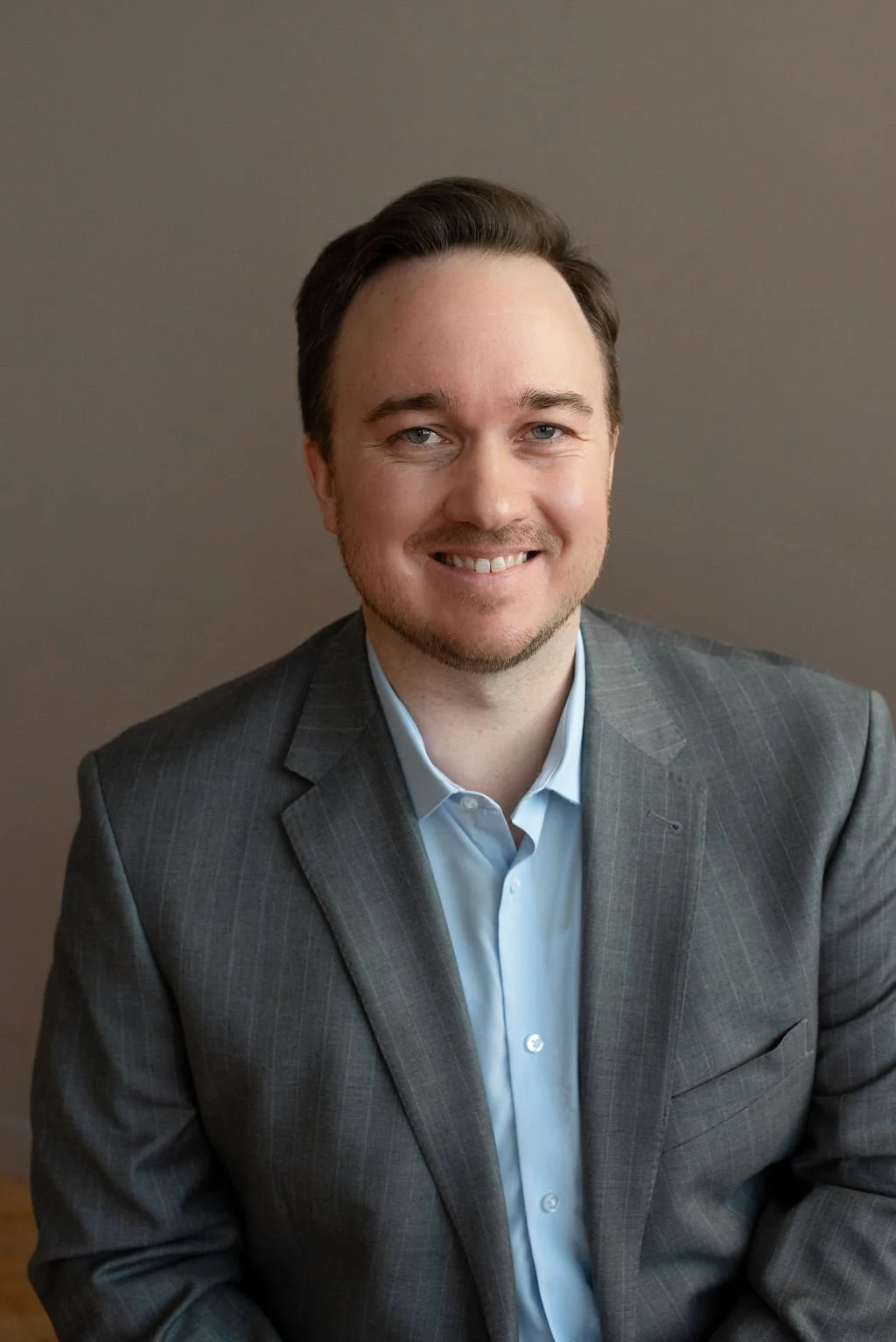
Dr. Jacob Panka, ND, MS: Brain and neuroendocrine health, cardiovascular and metabolic health, gut–brain physiology, and men's health.
Sources and further reading
General education, not a diagnosis. We work alongside your primary care clinician and specialists, not instead of them. Care and testing depend on your history and clinical needs.
Your questions are a good place to start.
Book a visit, or begin with a free 10-minute call to see whether we're the right fit.